
Small Steps, Big Shifts: Building Coping Skills for Everyday Anxiety
You might know the feeling: lying awake replaying your day, your mind racing even when nothing’s wrong. Anxiety has a way of creeping into ordinary moments: restlessness during meetings, tightness in your chest, or that quiet hum of tension that never fully fades. For many high-achieving adults, it’s tied to stress, perfectionism, or emotions that never got the chance to be heard.
The good news? You can learn small, realistic coping skills that truly help you manage anxiety and find steadier ground.
In this guide, we’ll explore:
Simple coping strategies to calm an anxious mind
Relaxation techniques like breathing, mindfulness, and gentle exercise
How to support your mental health and ease negative thoughts
When to reach out to a therapist for deeper healing
If feeling anxious has been your “normal,” this is your invitation to slow down, breathe, and begin again.
Coping Skills for Anxiety That Really Work
Coping isn’t about pushing anxiety away; it’s about learning how to respond differently when it shows up. Anxiety is a normal part of life, but when worry turns into a disorder, it can leave you feeling tense, stuck, or overwhelmed. The goal isn’t to eliminate anxiety; it’s to build small, consistent habits that help you soothe your nervous system and stay connected to the present moment.
According to the National Institute of Mental Health, nearly one in five U.S. adults lives with an anxiety disorder, and most find that simple, consistent coping strategies can make a significant difference in daily well-being.
What are coping skills for anxiety?
Coping skills for anxiety are simple tools that help you calm your body and refocus your mind when you’re feeling overwhelmed. These can include deep breathing, grounding exercises, mindfulness, journaling, gentle physical activity, or reaching out to someone you trust.
Here’s a gentle list of coping skills for anxiety to help you start:
Body-Based Coping Skills
Try movement or yoga — physical activity releases endorphins and helps ease anxiety and manage stress.
Use progressive muscle relaxation: tense and release each muscle group to calm physical tension.
Practice deep breathing or the 5-4-3-2-1 grounding technique to focus on your surroundings and regulate your nervous system.
Mind-Based Coping Skills
Journal without judgment — write down anxious thoughts to get perspective.
Practice mindfulness or guided meditations to shift away from worry and connect with the present moment.
Try thought reframing: gently question beliefs that exacerbate fear or self-doubt.
Connection-Based Coping Skills
Reach out to a trusted friend or mental health professional — talking helps ease anxiety and build self-esteem.
Set healthy boundaries to reduce anxiety and stress triggers in everyday life.
Engage in community or volunteer work to strengthen connections and overall well-being.
Everyone’s anxiety looks different, so finding what truly fits your system takes time. Try one new coping skill each week, notice what helps you feel calmer, and remember: progress, not perfection, is the goal.
How to manage anxiety without medication?
You can manage anxiety without medication by practicing daily coping strategies. like yoga, meditation, or progressive muscle relaxation, to regulate your nervous system.
How to Deal with Crippling Anxiety: Starting Small, Staying Kind
When anxiety is affecting your ability to think, breathe, or slow down, it can feel completely crippling. Your chest tightens, your thoughts race, and every part of you just wants relief. In those moments, it’s easy to feel like something’s wrong with you, but this is simply your nervous system trying to protect you. Anxiety is a normal human mechanism; it just becomes overwhelming when it stays “on” too long.
Many people with anxiety experience intense physical symptoms, like a rapid heartbeat or dizziness. These sensations are real, but they’re not signs of danger. Learning how to cope begins with small, compassionate steps that help calm the body before addressing the mind.
Here are a few coping strategies for anxiety you can try when you feel frozen or flooded:
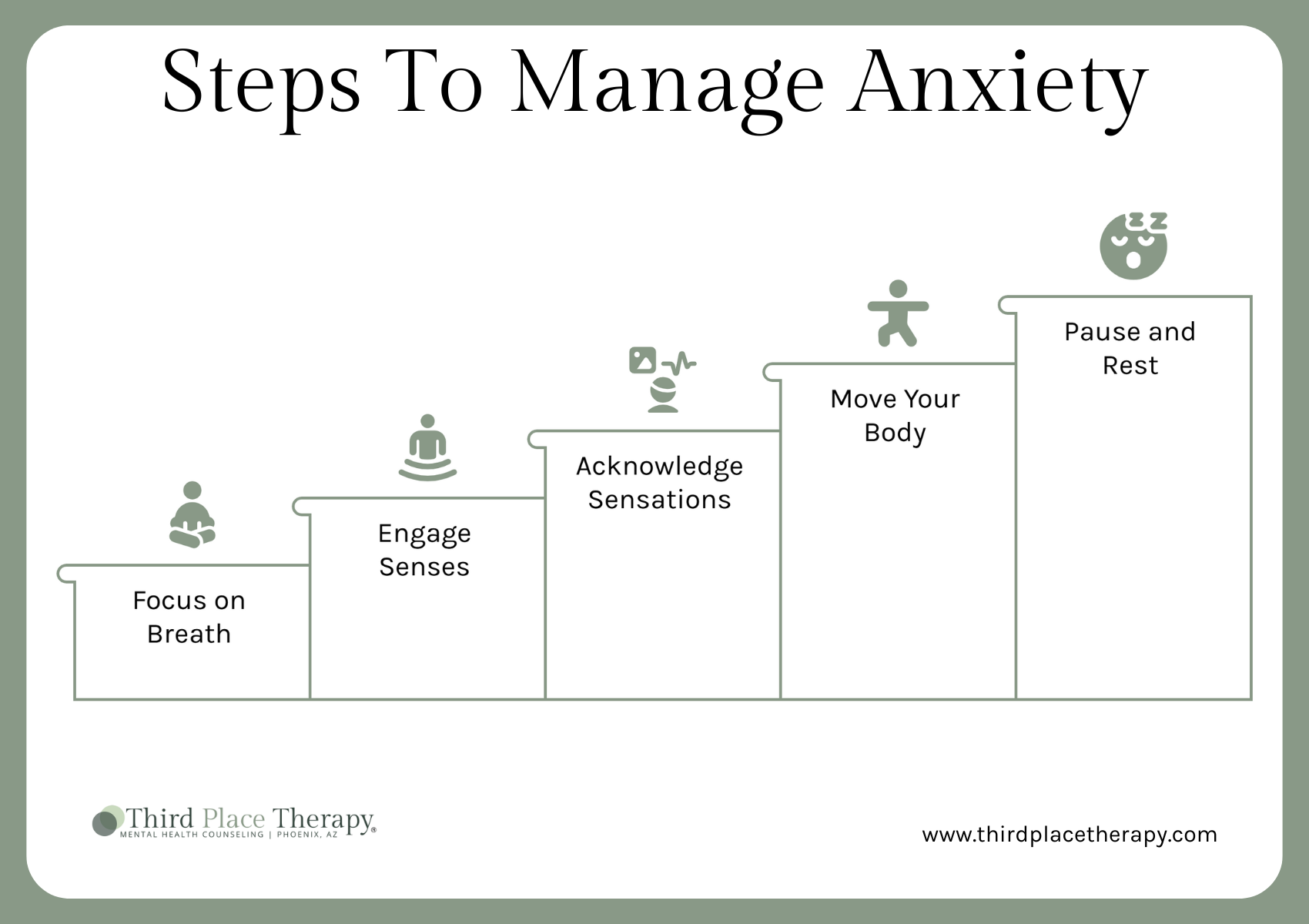
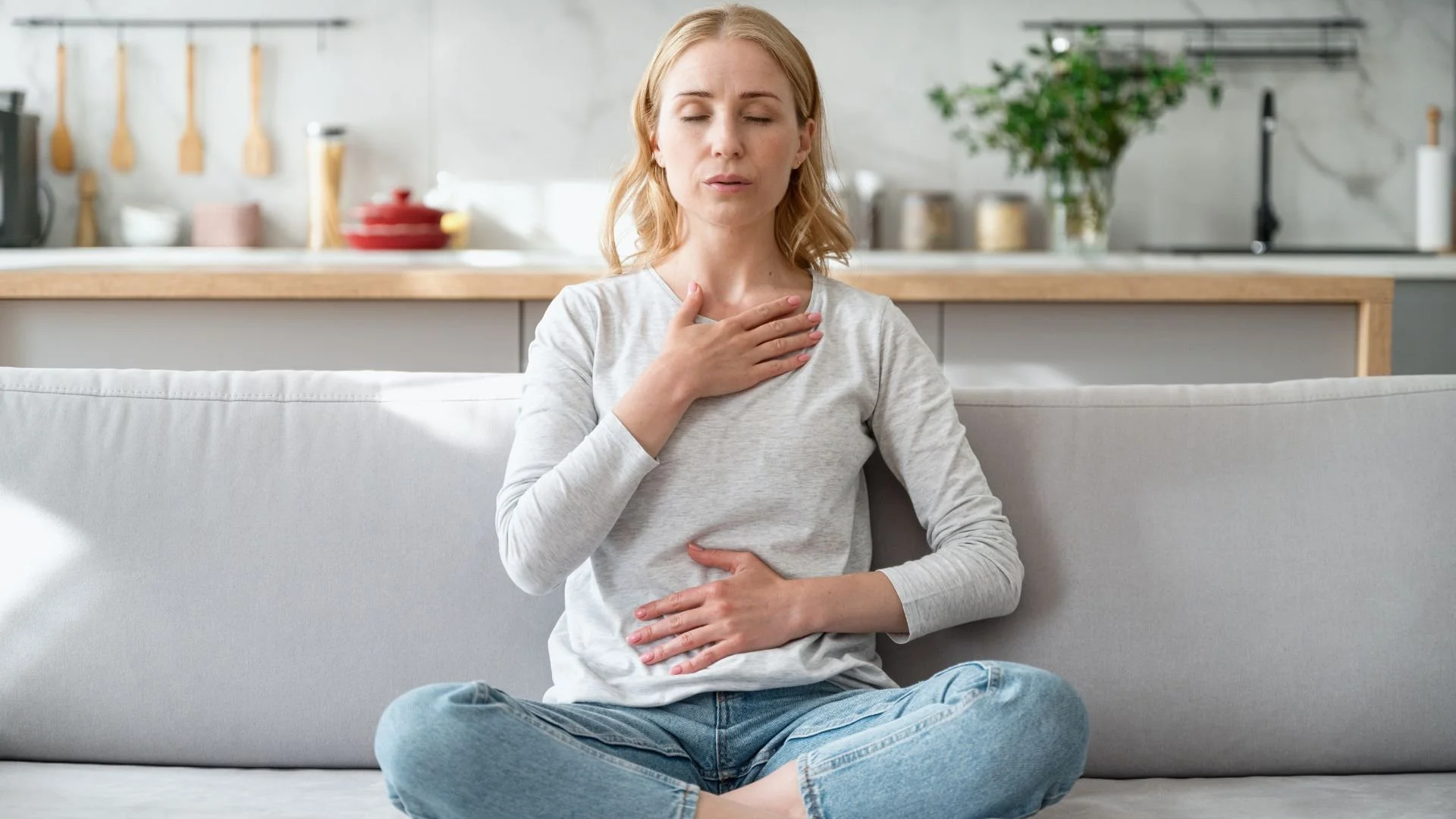
Focus on your breath. Try slow, steady breathing, count four in, six out, to signal safety to your body.
Use your five senses. Name five things you see, four you can touch, three you hear, two you smell, and one you taste. This mindful grounding helps manage anxiety and brings you back to the present.
Acknowledge the sensations. Notice a racing heart or shaky hands without judgment; remind yourself, “This is a symptom, not a threat.”
Move your body. Gentle yoga, stretching, or physical activity helps release built-up nervousness and improve mood.
Give yourself permission to pause. Rest is productive. Slowing down allows your system to reset.
If anxiety is affecting your quality of life, it may be time to seek help from a mental health professional or clinic. Effective coping doesn’t mean eliminating anxiety; it means learning how to manage stressors and care for yourself with kindness. Small steps truly can make a difference.
When Anxiety Feels Bigger Than Your Tools
Sometimes, you can journal, breathe, walk, and still feel anxious. You’ve tried the coping skills to help, but your body won’t settle and your thoughts won’t quiet down. If that sounds familiar, you’re not failing; it simply means your anxiety needs more support than self-help can offer.
Anxiety isn’t a reflection of weakness; it’s a signal that your nervous system is overloaded and ready for gentler care. Reaching out for professional support can help you uncover what’s happening beneath the surface. A mental health professional can:
Help you identify what triggers your anxiety and teach evidence-based ways to regulate it
Offer structured therapies like CBT,EMDR, or IFS to work with emotions instead of against them
Explore the link between anxiety and depression, or substance use, when they overlap
Recommend medication if it’s appropriate and could support your healing process
Guide you toward nourishing routines that improve resilience: regular exercise, balanced meals, and even whole grains for steady energy
If anxiety feels bigger than your current tools, it’s okay to get help. Therapy isn’t just about fixing symptoms; it’s about understanding yourself more deeply so you can feel grounded, connected, and whole again.
What are the 5 R’s of coping?
- Rethink: Shift how you view the stressor.
- Relax: Use deep breathing or mindfulness to calm your body.
- Release: Let go of tension through movement or laughter.
- Reduce: Cut back on unnecessary stressors or commitments.
- Reorganize: Adjust your routines to better support your well-being.
Find Steady Ground with Therapy for Anxiety
At Third Place Therapy, we understand that anxiety isn’t a flaw; it’s a signal from within, asking for attention and care.
Our anxiety therapists take a warm, relational approach, helping you slow down, listen to what your anxiety is trying to say, and discover what you truly need to feel safe again.
Through compassion, connection, and evidence-based support, we’ll help you untangle the roots of worry and find your way back to calm.
You don’t have to figure this out alone. Together, we can help you feel calmer, clearer, and more at home within yourself. Reach out!
